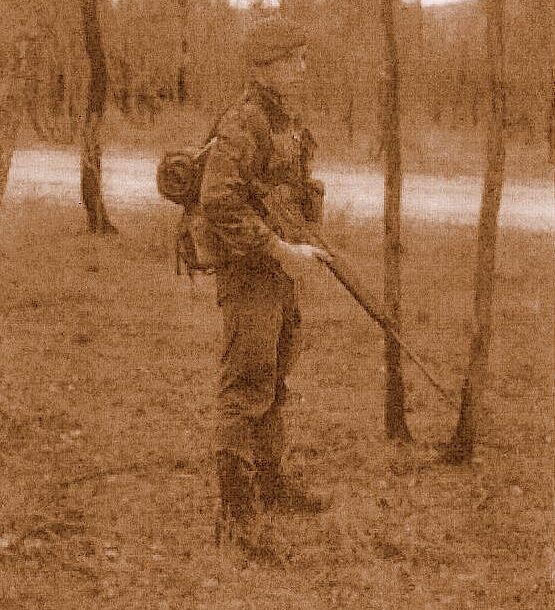
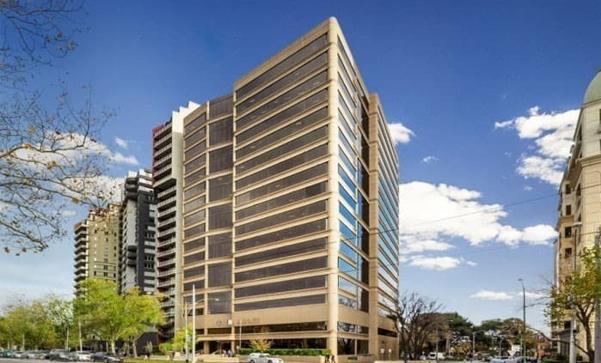
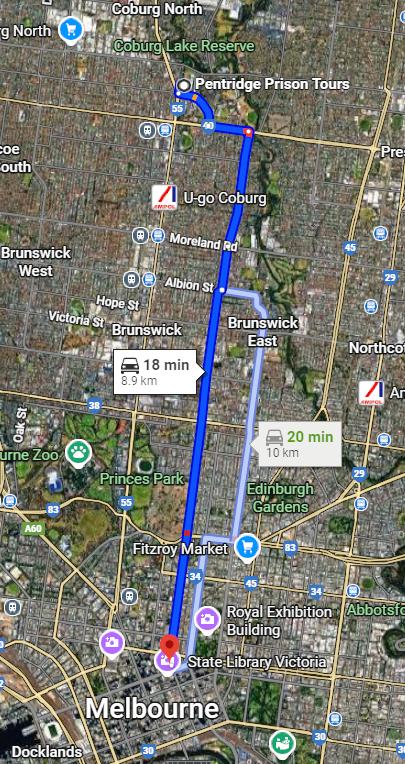
Julian Knight on the night of his Hoddle Street Shooting Spree Sunday 9th August 1987, having run out of ammunition was found and caught and surrendered to Victoria Police in Fitzroy North without incident. He was aged 19. He was immediately arrested, handcuffed and driven in an unmarked police car 7km directly south to the Victoria Police St Kilda Road Police Complex (below) to be interviewed by detectives.
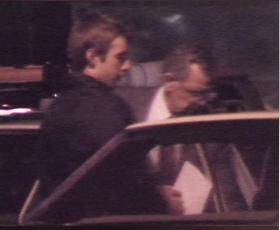
In Julian’s own words:
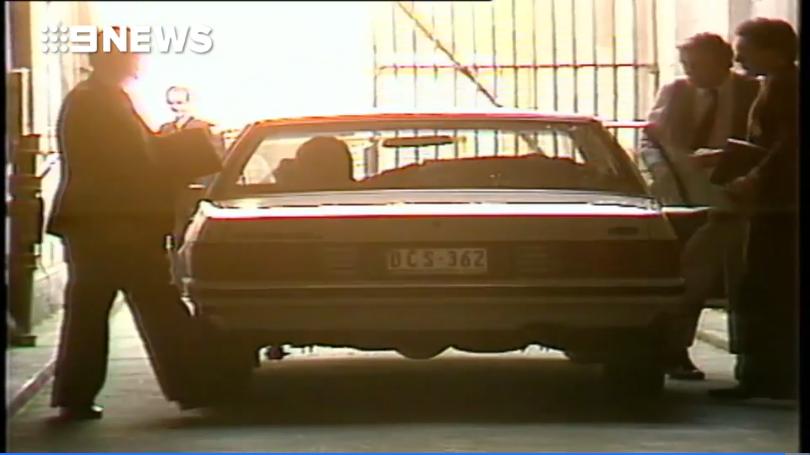
“Following questioning by Homicide Squad detectives for around 14 hours I was transferred from the St Kilda Road Police Complex to the old Melbourne City Watch House. At this time Detective Senior Constable (now Superintendent) Graham Kent sent a memorandum (dated 10th August 1987) to the Officer-In-Charge of the City Watch House and to the prison authorities, informing them that it was quite apparent that I was suicidal and that, due to the nature of the offences that I had committed, it was highly likely that I would be at risk from other prisoners.
At this time Detective Senior Constable (now Superintendent) Graham Kent sent a memorandum (dated 10th August 1987) to the Officer-In-Charge of the City Watch House and to the prison authorities, informing them that it was quite apparent that I was suicidal and that, due to the nature of the offences that I had committed, it was highly likely that I would be at risk from other prisoners.”
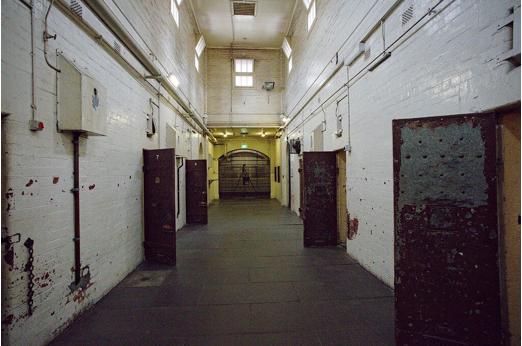
Julian Knight was formally then incarcerated at the City Watch House between 10th August and 11th August (so just overnight).
In Julian’s own words:
“At around 2pm on Tuesday 11th August 1987 I was finally transferred from the City Watch House to the F Division Reception Centre in the Metropolitan Reception Prison (the southern half of the Coburg Prisons Complex: the northern half being occupied by Her Majesty’s Prison Pentridge).”
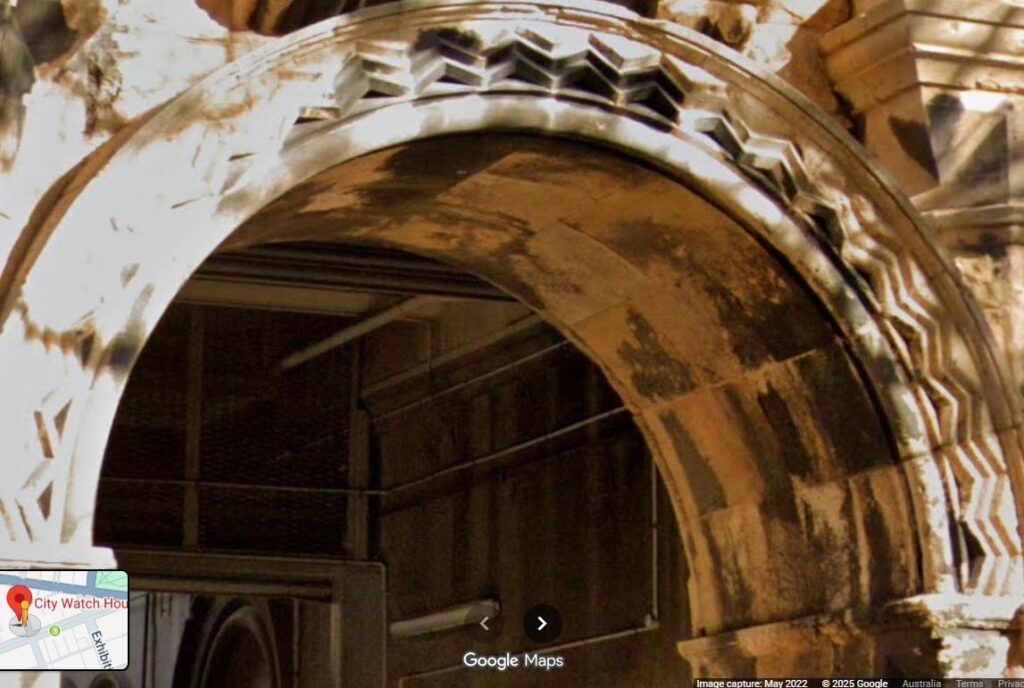
The (old) City Watch House is located at 345-355 Russell Street , Melbourne City. It is a heritage listed building on the Victorian Heritage Register (VHR) Number
H1006 (Place ID 797) and connected with the Old Melbourne Gaol adjacent.
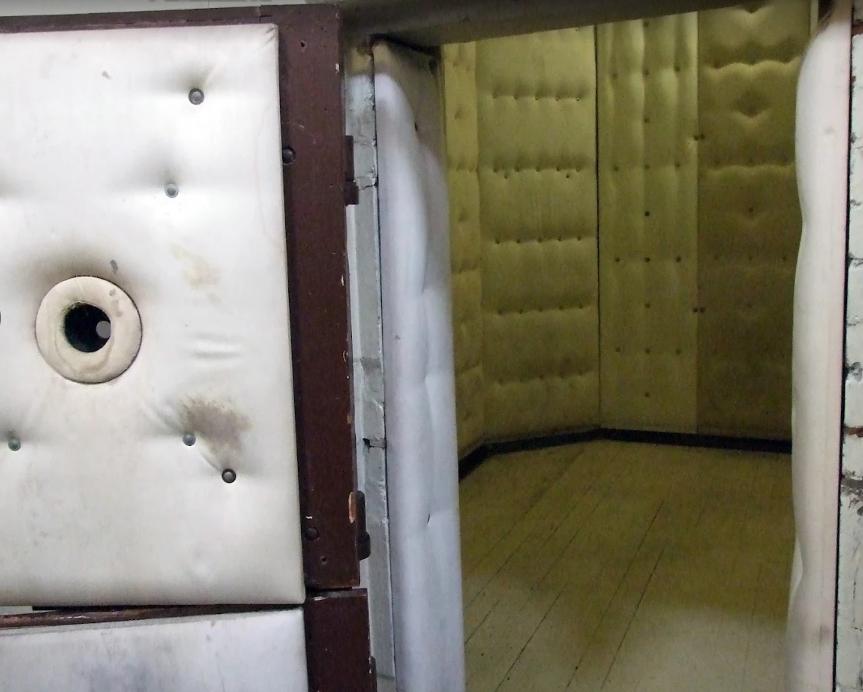
The now former City Watch House operated as Melbourne’s central custody centre or ‘holding place’ (1909 – 1994), for males arrested and awaiting their court date. For almost a century, every male person arrested in Melbourne was lodged in the City Watch House opposite the Russell Street Police Station. This included Julian Knight in 1987.
The City Watch House was constructed in 1907-08 to the design of architect GBH Austin of the Public Works Department. The building was constructed on the site a former cell block interconnected to Old Melbourne Gaol. The two storey rendered front section is two rooms deep and originally contained offices on the ground floor with residential accommodation on the upper level. The rear section occupying the major part of the site contains the cell block and exercise yards. There have many small alterations to the building but it displays reasonable integrity retaining internal layout, external form and some distinctive original elements such as the bow truss steel grille roofs over the exercise yards.
The City Watch House is of historical and architectural significance to the State of Victoria. This is because as a site it has been associated with prisons and the administration of justice in Victoria since 1842. The site is part of a precinct which includes the Old Melbourne Gaol, the former Magistrates’ Court and the former Russell Street Police Complex. The building and its location demonstrate the inter-relationship of the various elements of the criminal justice system.
The City Watch House is architecturally significant as an important example of the work of GBH Austin of the Public Works Department. Austin’s use of the Romanesque style complements his design for the adjacent Magistrates Court. The revival of the pure Norman style of Romanesque, in contrast to the American Romanesque of mixed progeny developed in the late nineteenth century by the American architect HH Richardson, would by association have been seen as underlying the ancient heritage of English law and as the appropriate style for judicial buildings.
Various photos of the Old City Watch House:



References and Further Reading:
https://vhd.heritagecouncil.vic.gov.au/places/797