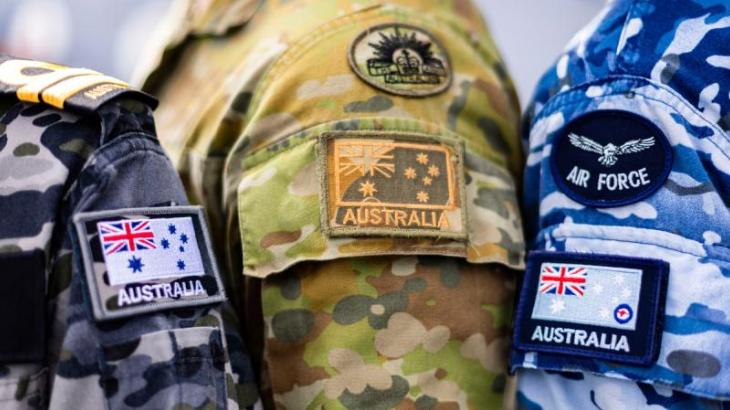

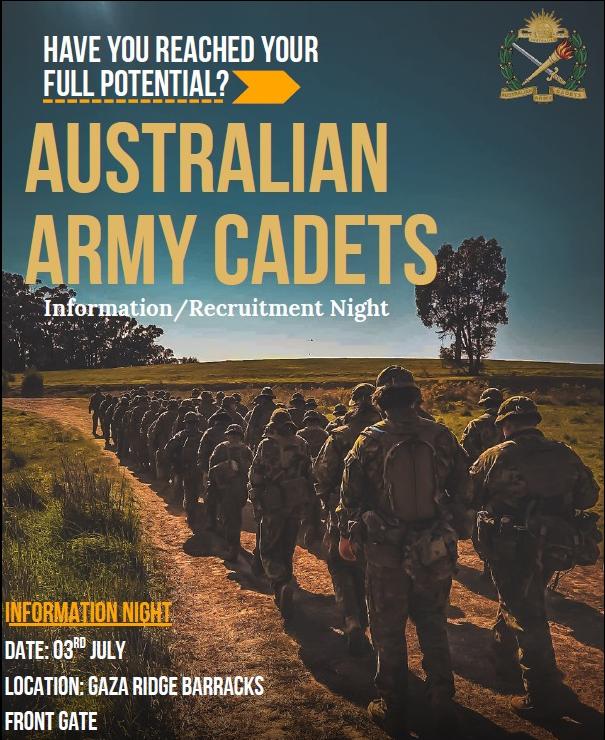
As a former RMC Staff Cadet, this author warns would-be applicants of the misleading propaganda by the ADF recruitment, particularly that plugging the Australian Army’s RMC Duntroon.
Instead, one’s full potential can be reached by oneself independently. But if a military career is a must, then one recommends away from Canberra’s woke RMC, to instead the French Foreign Legion, if you’re really serious. But it’s a committed 5 years! And one strongly recommends you learn French first if you have any hope of graduating.
The minimum service time for the French Foreign Legion is a five-year contract for initial enlistment. After completing this five-year contract, legionnaires are eligible to apply for French nationality, with service and integration into French society being key factors in the decision.
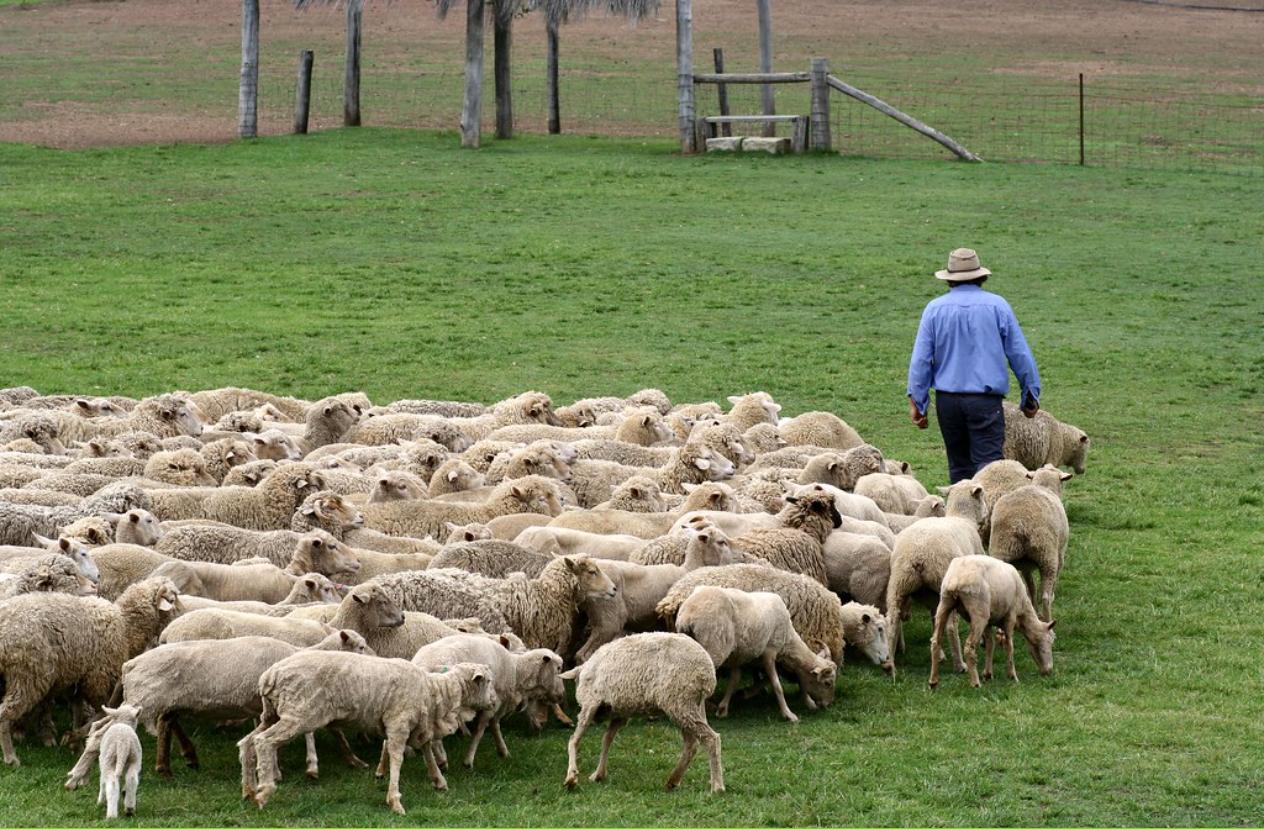
Whereas Duntroon in Canberra remains a converted sheep farm from the old days and frankly little has changed. That’s because RMC (RMC-D) since 1911 continues to exploit rolling human intake flocks – from cadet experience.
Historically, Robert Campbell’s property Duntroon was situated on the limestone plains of New South Wales in the area that is now covered by the ACT.
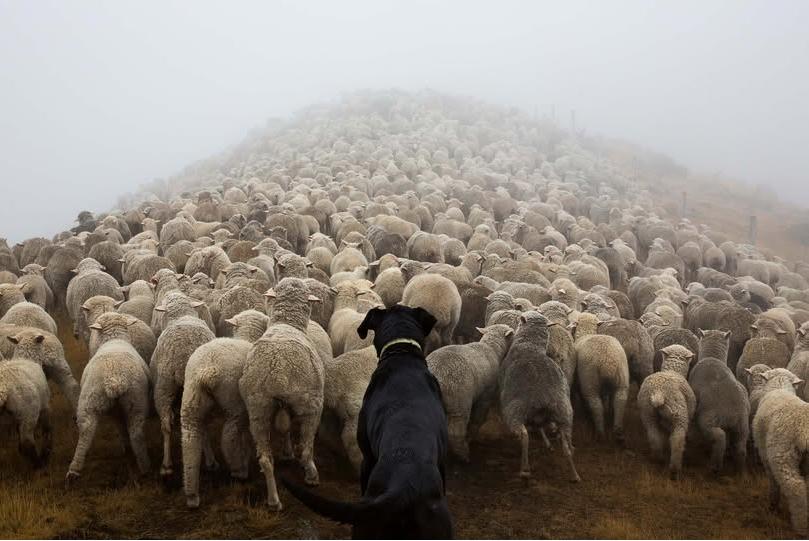
Given government compensation for the loss of his ship the Sydney while under government charter, Robert Campbell, sent James Ainslie to collect 700 sheep from the government flocks at Bathurst and to go southward looking for suitable pasture.
Ainslie reached the Limestone Plains and selected a site on the slopes above the Molonglo River where the Royal Military College now stands. In 1825 Campbell applied for and received his grant, naming it “Duntroon” after the family castle, Duntrune Castle on Loch Crinan in Argyll, Scotland. Duntrune Castle on Loch Crinan in Argyll, Scotland was sold to clan Malcolm in 1792, long before this.
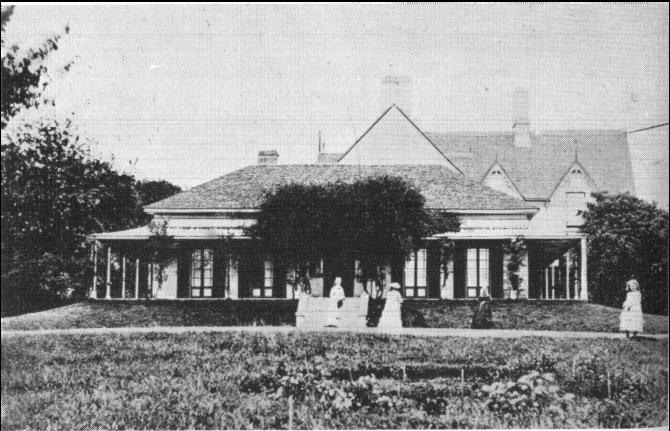
In 1833, Campbell built “Duntroon House” out of stone with wide verandahs. In 1862 Robert’s son George added a large two-storey extension. In its final form the house contained twenty rooms and is a great example of colonial architecture. It now serves as the officers’ mess for the Royal Military College, Duntroon and is situated in the suburb of Campbell.
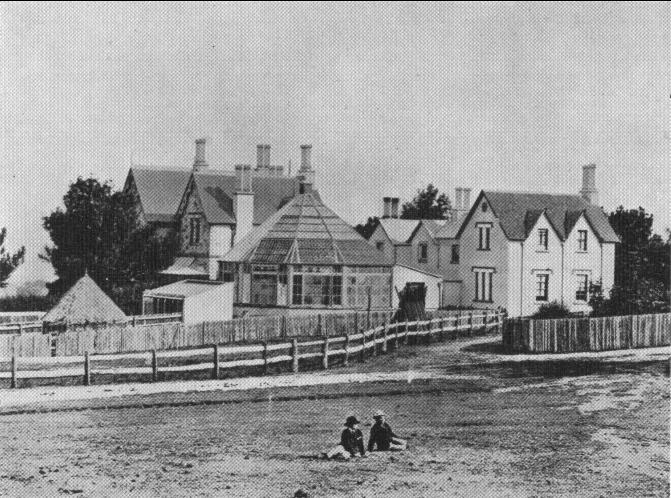
“Duntroon House” was the centre of activity for Campbell’s station. Gardens were established around the house including many exotic trees and an intricate maze was grown also a conservatory, orchard, vineyard and dairy farm were built in the surrounding area.
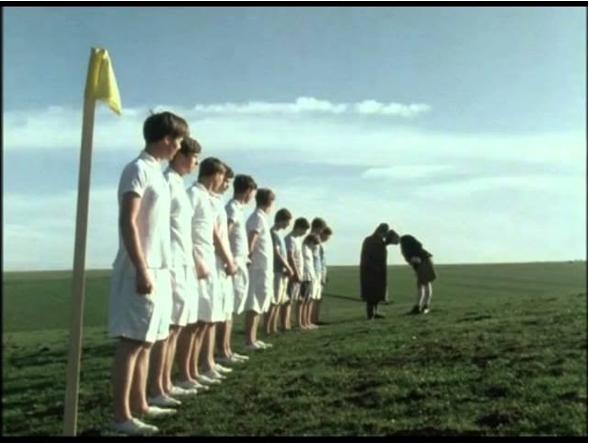
Prior to Duntroon being converted from a sheep farm into some fancy remote military school, well there exists a rather comparable history on the other side of the ditch (in the eastward direction):
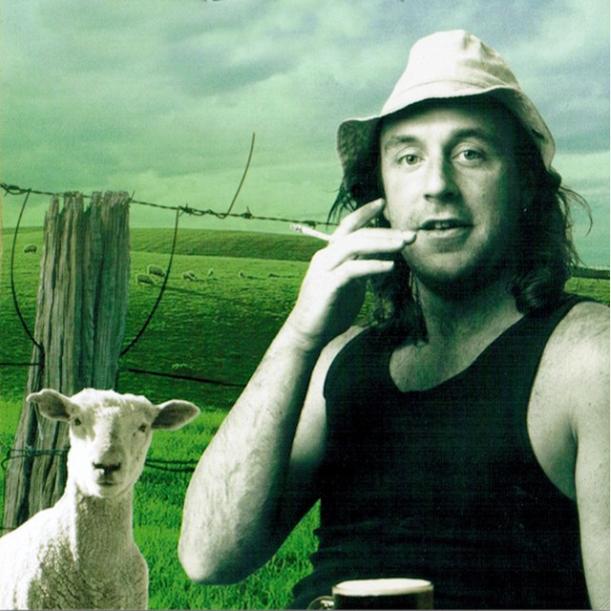
[NB. This author got to know comedian actor John Clarke personally one-on-one in Melbourne in 1992. I like his expression “military precision” and I know he would relate – Trev6]
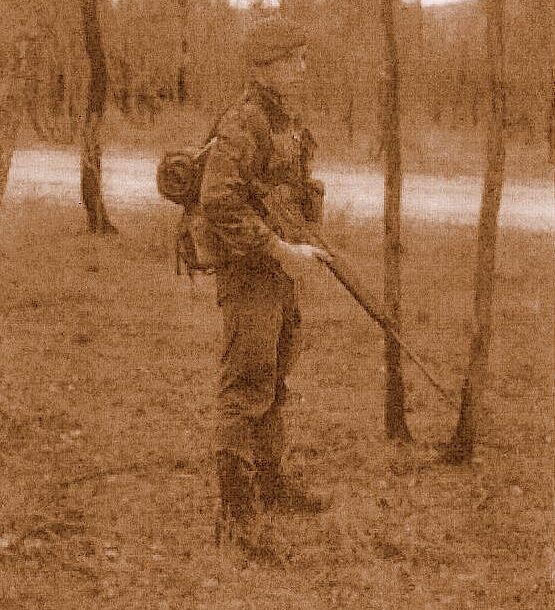
Duntroon was recommended as the site for Australia’s Military College by Lord Kitchener (the English bureaucrat who sentenced Breaker Morant (video extract below) to death by firing squad in the Boer War 1902), who had been commissioned in 1910 to report on the country’s defence needs.
Initially the government rented Duntroon for two years before obtaining the title to Duntroon and its surrounding 360 acres (1.5 km2) through the creation of the Australian Capital Territory.
On 27 June 1911 the Royal Military College opened at Duntroon.
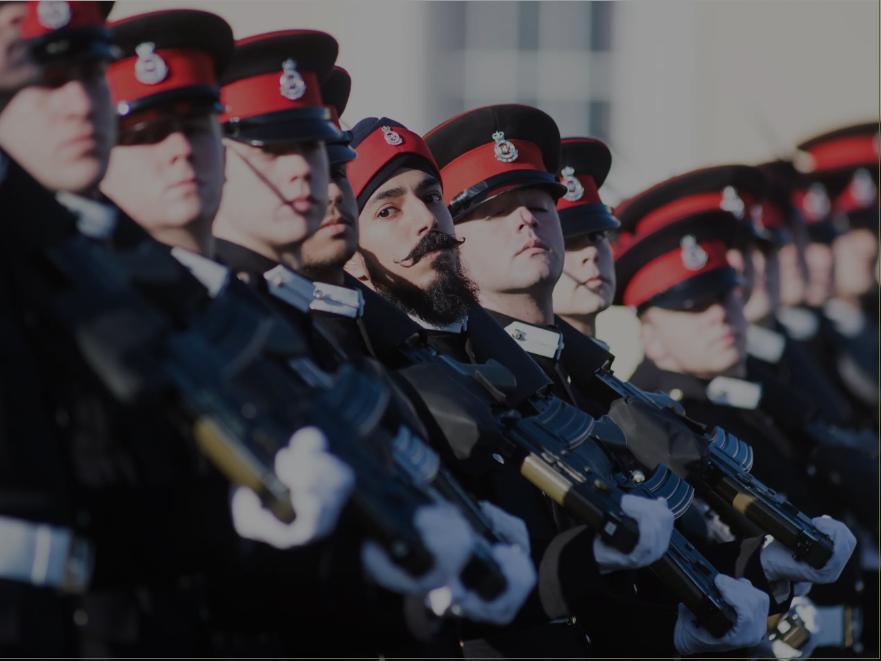
[SOURCE: https://en.wikipedia.org/wiki/Duntroon,_Australian_Capital_Territory]
More details: